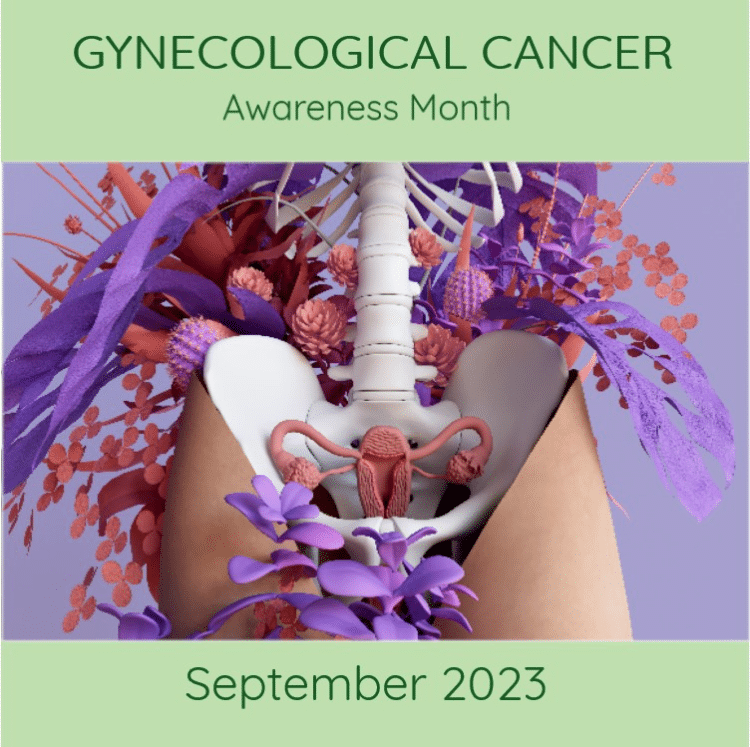
Gynaecological cancer refers to cancers that originate in the female reproductive system and there are 5 main types, Cervical, Uterine, Ovarian, Vaginal, and Vulvar. The symptoms and treatment options can vary depending on the specific type of gynaecological cancer. It’s important to note that early detection and timely treatment are crucial for better outcomes. Here are some general symptoms and treatment approaches for common gynaecological cancers:
- Cervical Cancer
Cervical cancer is the 14th most common cancer in females in the UK. Cervical screening aims to prevent cervical cancer. An abnormal test will mean that you have changes to the cells covering the neck of your womb (cervix) and further action will need to be taken. The HPV (Human Papilloma Virus) is a major cause of the main types of cervical cancer. Most sexually active people come into contact with HPV during their lifetime but for most the virus causes no harm and goes away on its own.
Symptoms:
- Abnormal vaginal bleeding, especially after sexual intercourse or menopause.
- Unusual vaginal discharge.
- Pelvic pain.
Treatment:
- Surgery: Removal of the cancerous tissue, which might involve removing a portion or the entire cervix.
- Radiation therapy: Using high-energy rays to target and destroy cancer cells.
- Chemotherapy: The use of drugs to kill or control cancer cells.
- Targeted therapy: Targeting specific molecules involved in the growth of cancer cells.
2. Uterine (Endometrial) Cancer:
Uterine cancer is the 4th most common cancer in females in the UK. Most women that develop womb cancer are older women over the age of 40. At the moment, there is no screening for womb cancer.
Symptoms:
- Abnormal vaginal bleeding, particularly after menopause or between periods.
- Pelvic pain.
- Unintended weight loss.
Treatment:
- Surgery: Removing the uterus and possibly surrounding tissues or lymph nodes.
- Radiation therapy.
- Chemotherapy.
- Hormone therapy: Blocking hormones that fuel cancer growth.
- Ovarian Cancer:
Ovarian cancer is when abnormal cells in the ovary begin to grow and divide spontaneously and eventually form a growth. Its is the 6th most common cancer in the UK and affects 7,500 women annually. Women aged 75-79 are the greatest risk and studies have shown that women with diabetes or endometriosis are also at greater risk.
Symptoms:
- Bloating or abdominal swelling.
- Pelvic pain.
- Difficulty eating or feeling full quickly.
- Frequent urination
Treatment:
- Surgery: Removing as much of the tumour as possible (debulking).
- Chemotherapy.
- Targeted therapy.
- Hormone therapy.
4. Vaginal Cancer:
Vaginal cancer is very rare, only about 250 a year are diagnosed with it in the UK. It is more common in older women and approx. 40% of new cases are over the age of 75. The most common type of vaginal cancer starts in the cells within the thin layer of tissue that lines the vaginal wall (about 90%). It is called a squamous cell carcinoma. Diagnosis of this type of cancer requires a biopsy.
Symptoms:
- Vaginal bleeding or discharge.
- Painful urination.
- Pelvic pain.
Treatment:
- Surgery: Removing the tumour and potentially nearby lymph nodes.
- Radiation therapy.
- Chemotherapy.
- Vulvar Cancer: Symptoms:
Vulval cancer can start in any part of the female sexual organs but generally starts in the inner or outer lips (labia minora or labia majora). It is a very rare type of cancer and is slow growing. Almost 70 out of 100 Vulvar cancers are caused by HPV infections.
- Itching, burning, or pain in the vulvar area.
- Changes in the colour or thickness of the skin.
- Open sores or lumps.
Treatment:
- Surgery: Removing the cancerous tissue and possibly lymph nodes.
- Radiation therapy.
- Chemotherapy.
Gynaecological cancers are diagnosed using a staging process. The most widely used is from the International Federation of Obstetrics and Gynaecology (FIGO):
- Stage I – Carcinoma confined to within uterine body.
- Stage II – Carcinoma may extend to cervix but is not beyond the uterus.
- Stage III – Carcinoma extends beyond uterus but is confined to the pelvis.
- Stage IV – Carcinoma involves bladder or bowel or has metastasised to distant sites.
It’s important to remember that each individual’s situation is unique, and treatment plans are tailored based on factors such as cancer stage, type, and overall health. Regular gynaecological check-ups and screenings are crucial for early detection and treatment. If you experience any persistent or concerning symptoms, consult a healthcare provider for proper evaluation and guidance